
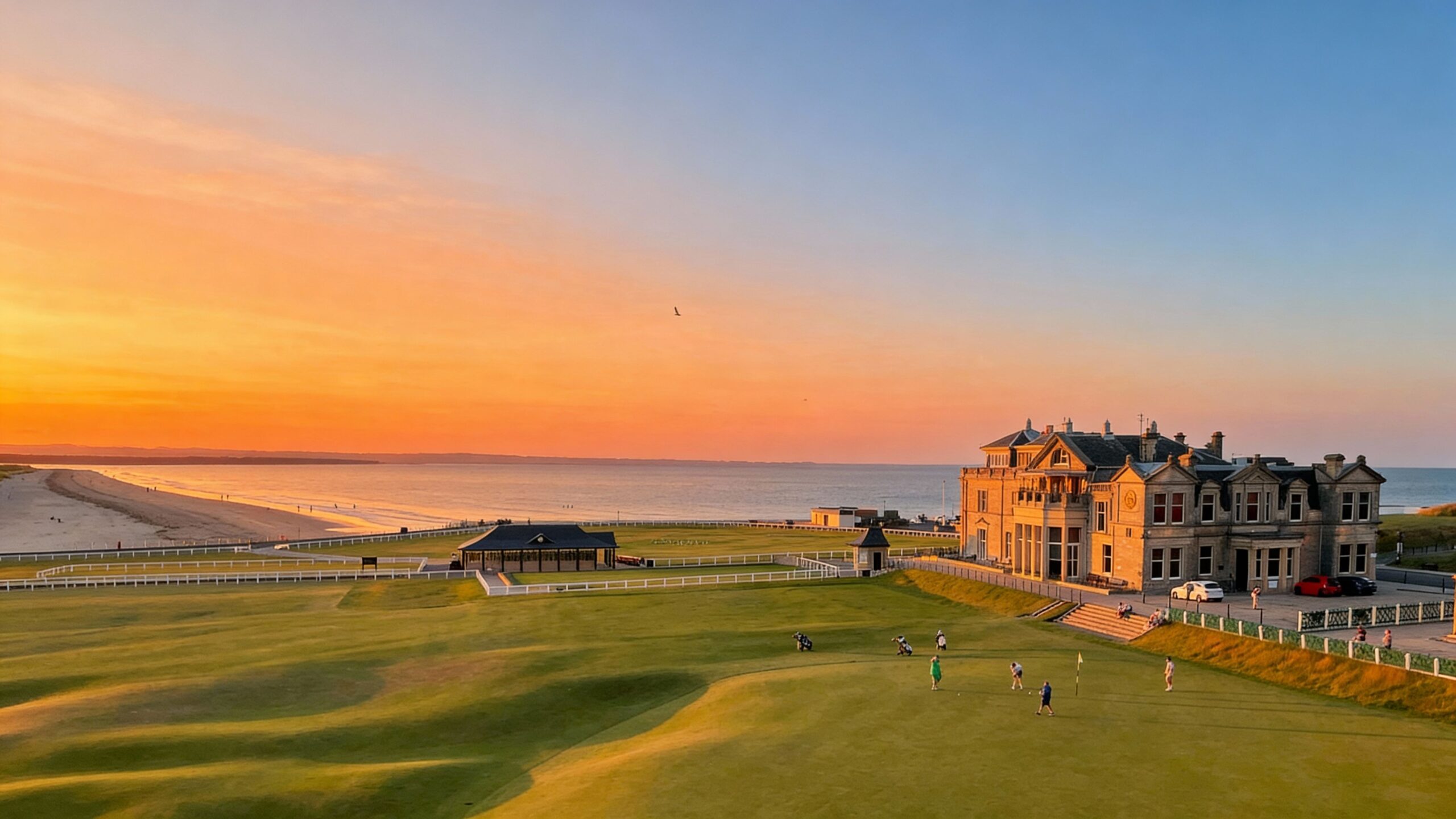
Golf has always been shaped by the land beneath it, and nowhere is that more evident than in the timeless contrast between links and parkland styles. “Links and Parkland Styles” on Golf Streets dives into the heart of golf-course identity, exploring how terrain, climate, and design traditions create two completely different playing experiences. Links golf, born along rugged coastal edges, challenges you with firm turf, sweeping winds, rolling dunes, and a raw, elemental beauty that feels ancient and untamed. Parkland golf, by contrast, offers lush landscapes, tree-lined corridors, sculpted greens, and strategic tranquility shaped by meticulous craftsmanship. Together, these two styles reveal the full spectrum of golf’s character—from wild and windswept adventure to serene, manicured artistry. This sub-category uncovers what defines each style, how they influence strategy, and why golfers around the world feel drawn to one or the other. Whether you’re fascinated by traditional seaside tests or captivated by inland elegance, this is your gateway to understanding the soul of golf’s most iconic course types.
A: Links are open, windy, and coastal with firm turf; parkland courses are tree-lined, inland, and typically lusher.
A: Not necessarily, but lower-lofted irons, utility clubs, and versatile wedges shine on links; hybrids and high-launch irons excel on parkland.
A: Parkland can feel friendlier thanks to softer turf and clearer targets, though generous links fairways can also help new players.
A: Wind is the big factor on links, while rain can make parkland courses play long and soft.
A: It’s most common there, but using bump-and-run and low shots can help on firm parkland greens too.
A: Links golf is the game’s origin, while parkland evolved later as golf spread inland and into club environments.
A: Yes—on a windy links day, survival is success; on a calm parkland track, you may expect more birdie looks.
A: Work on low-trajectory shots, bump-and-runs, and distance control in crosswinds.
A: Focus on driving accuracy, wedge distance gapping, and precise iron approaches into soft targets.
A: Try both—links for raw, elemental golf against nature, parkland for classic tree-framed beauty and target golf.

Links golf courses Explained: Design Features and Playing Strategy
Explore links golf courses with a practical guide to design features, wind strategy, and smarter course management. Learn the key details, smart planning choices, and golf strategy ideas that make the experience more rewarding.

How to Play links golf courses: Tips for Smarter Course Management
Explore links golf courses with a practical guide to design features, wind strategy, and smarter course management. Learn the key details, smart planning choices, and golf strategy ideas that make the experience more rewarding.