
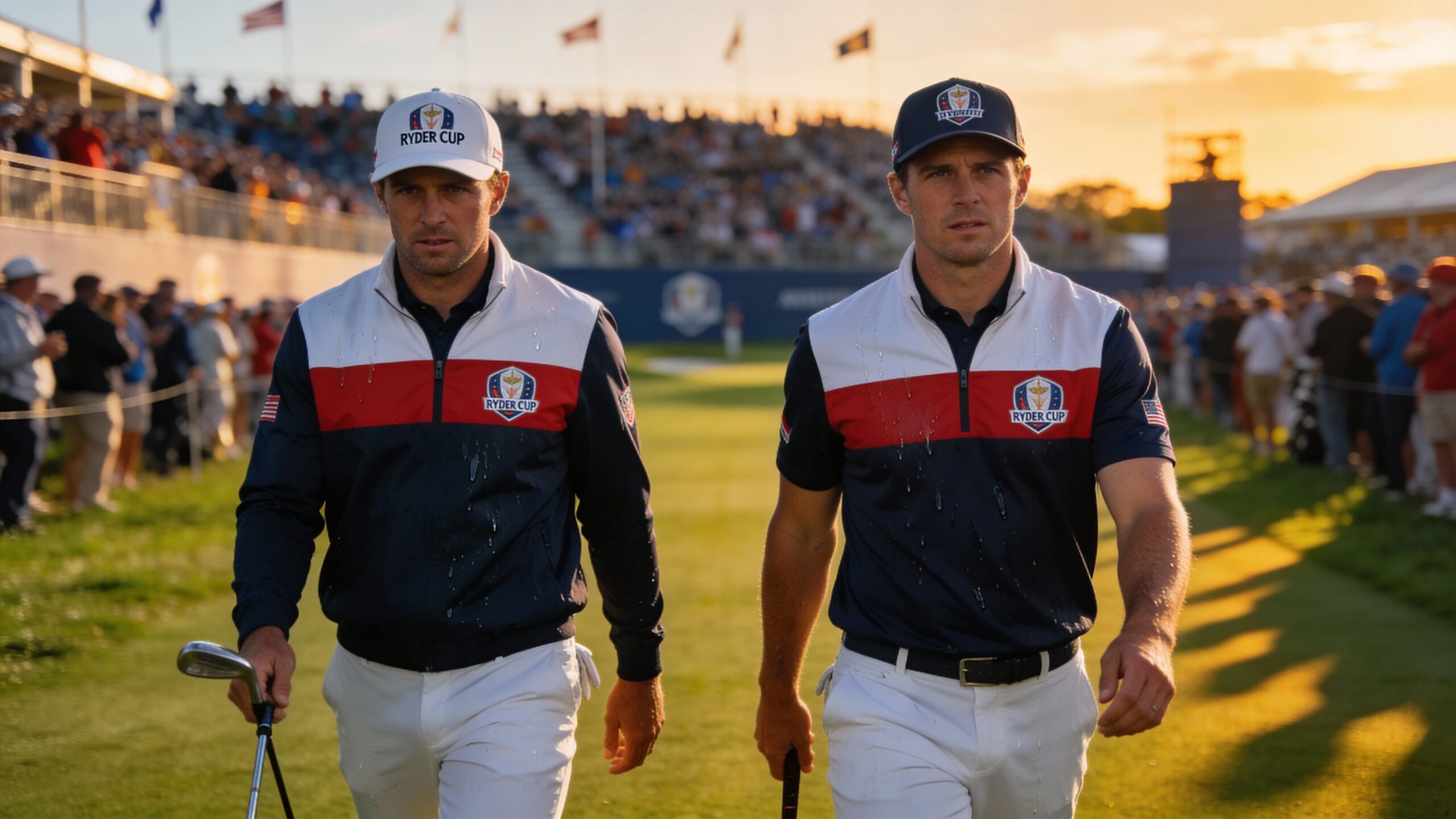
The Ryder Cup is golf at its most electric, where tradition gives way to passion and every shot carries the weight of national pride. Unlike any other event in the sport, this biennial showdown transforms individual excellence into a collective mission, uniting players as teammates and rivals as symbols of continents. Roars echo across fairways, momentum swings in an instant, and pressure feels magnified with every putt holed or missed. The Ryder Cup thrives on emotion—clutch moments, unlikely heroes, fierce rivalries, and unforgettable celebrations that linger long after the final match ends. Strategy, chemistry, and heart matter just as much as swing mechanics, making captains’ decisions and pairings as compelling as the golf itself. Fans are drawn to its raw intensity, where camaraderie and competition collide in a way no other tournament can match. On Golf Streets, this collection dives into the history, formats, players, and legendary moments that define the Ryder Cup. It’s where golf sheds its quiet reputation and becomes a full-throttle spectacle of pride, pressure, and unforgettable drama.
A: No—it's match play, where you win holes rather than count total strokes.
A: Fourball is best ball (both play their own ball); foursomes is alternate shot (partners take turns).
A: Each match is worth one point; a tie (halved match) splits the point.
A: Team pride + match play + partisan crowds create a stadium-like energy.
A: Yes—pairings and matchup decisions are adjusted session by session based on momentum and fit.
A: Think hole-by-hole—one bad hole doesn’t matter if you respond immediately.
A: Because partners share decisions, tempo, and emotion—bad fit can cost points quickly.
A: Handling the noise and pressure while still trusting your normal swing and routine.
A: They can protect momentum, but they can also disrupt a player’s rhythm if overused.
A: Keep the ball in play, communicate constantly, and play fearless—but not reckless.