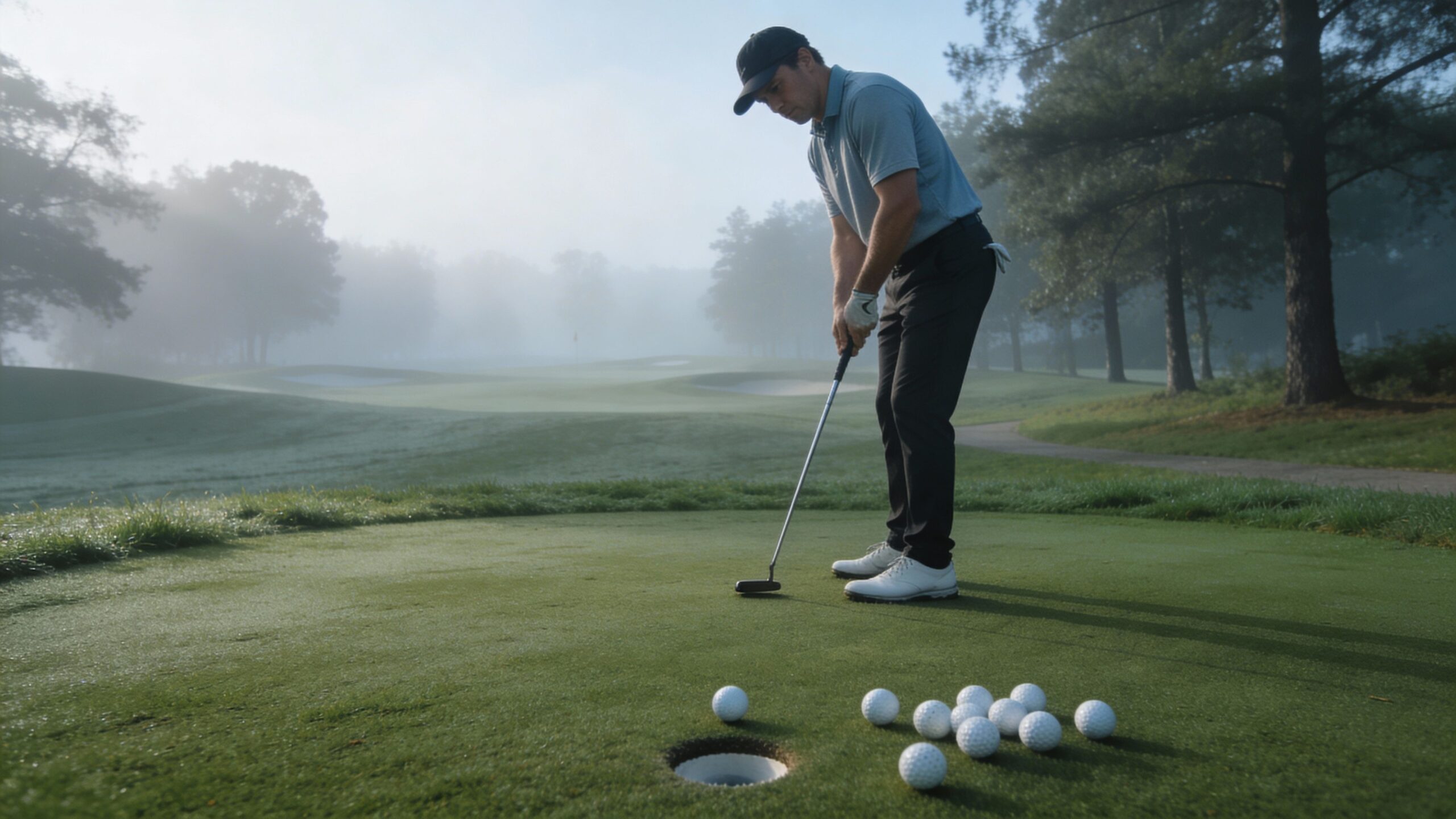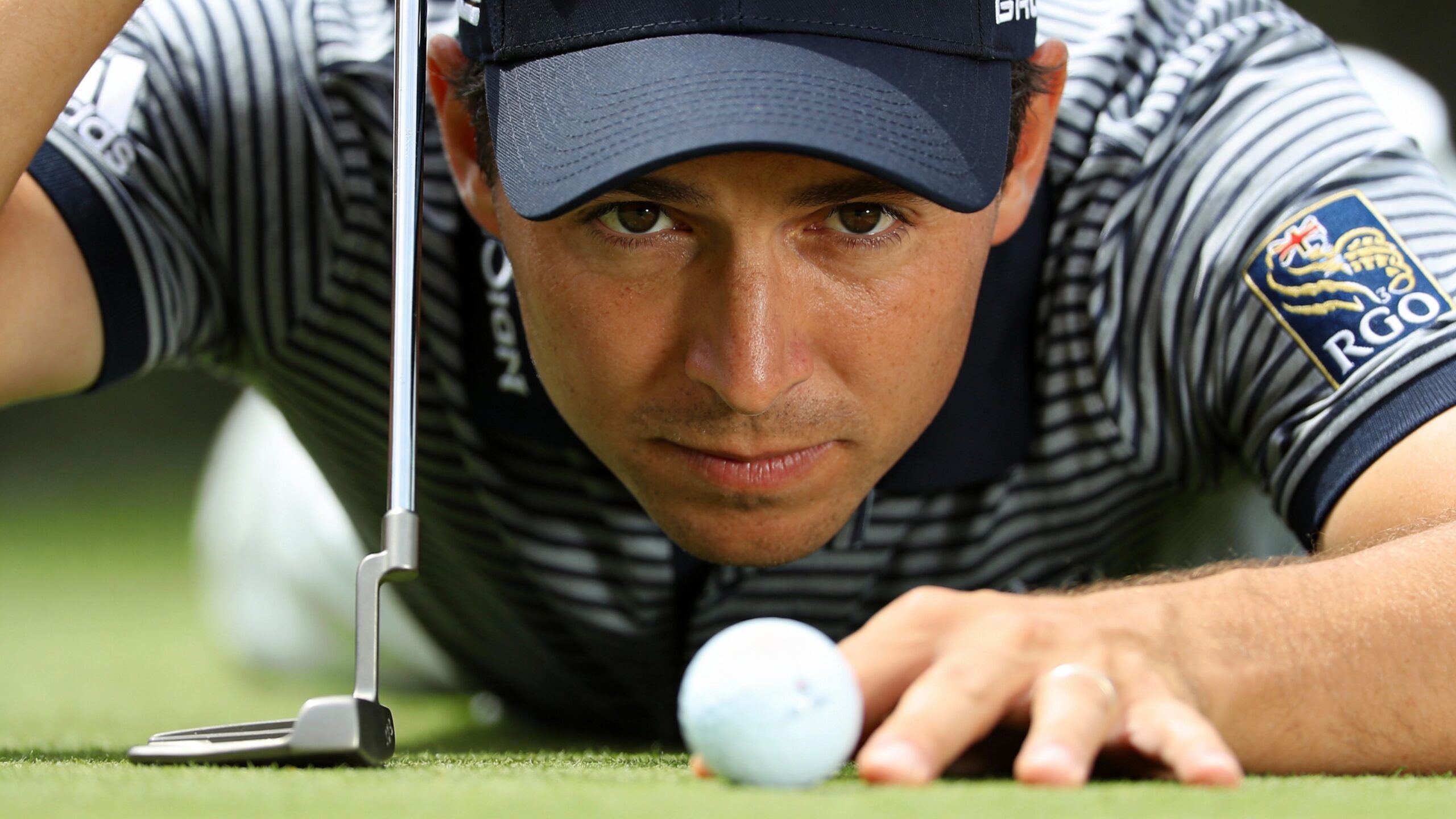
Putting is where golf rounds are truly decided, yet it is also the part of the game most often misunderstood. While booming drives and crisp iron shots turn heads, putting quietly determines scores, confidence, and long-term improvement. Becoming a great putter is not about copying a single stroke or buying a miracle flatstick. It is about understanding how skill, perception, mechanics, and mindset blend into one repeatable process. This guide explores putting mastery from the ground up, focusing on how elite putters think, train, and perform under pressure. When putting stops feeling mysterious and starts feeling deliberate, scores drop quickly and confidence rises just as fast.
A: Many putt best with eyes over or slightly inside—test both and choose what improves start line consistency.
A: Check aim first, then ball position (often too far forward), and make sure you’re not leaving the face open.
A: Watch for shoulders aiming left, ball too far back, or a quick “hit” with the hands through impact.
A: Split practice: short putts for start line + long putts for pace. That combo drops strokes quickest.
A: No—most strokes arc naturally. The key is a square face at impact and consistent tempo.
A: Aim for a pace that would finish 12–18 inches past the hole if it misses on most putts.
A: Start from the low side, feel slope with your feet, then confirm from behind the ball and commit.
A: Shorten the stroke, keep tempo, and favor “dying” speed—avoid jabbing or decelerating.
A: Even 10 minutes, 3–4 times a week helps—focus on drills with feedback and pressure.
A: Use a putting mat or flat carpet for start line and tempo, then do distance control on real greens.
Building a Stroke That Repeats Under Pressure
A great putting stroke is simple, efficient, and boring in the best possible way. Consistency matters far more than style, which is why elite putters can look wildly different yet perform at equally high levels. The foundation of a repeatable stroke begins with posture that allows the eyes to see the line clearly and the arms to hang naturally. When the body is balanced and relaxed, the stroke becomes controlled rather than forced. Tension is the enemy of precision, especially on short putts where fear often sneaks in unnoticed.
The best strokes are built around rhythm rather than mechanics. A smooth tempo that stays constant on short and long putts alike creates distance control without conscious manipulation. Great putters allow the putter head to swing rather than be steered, trusting the natural motion they have practiced. When pressure increases, a rhythmic stroke holds up far better than one built on technical thoughts.
Mastering Green Reading Like a Tour Player
Green reading is where putting transforms from guesswork into strategy. Many missed putts are blamed on poor strokes when the real issue is misreading the slope or speed. Great putters train their eyes to see subtle breaks and understand how gravity, grain, and moisture interact. They read putts from multiple angles, not to overthink, but to confirm a clear picture before committing.
Distance perception is just as important as break. A putt that is read perfectly but struck with the wrong pace has little chance of dropping. Elite putters match speed to line, knowing that firm putts reduce break while dying putts exaggerate it. Over time, great putters build an internal library of green speeds, allowing them to adjust quickly even on unfamiliar courses.
Distance Control: The Skill That Separates Good From Great
If putting had one defining skill, it would be distance control. Three-putt avoidance is the fastest way to lower scores, and it starts with leaving the ball in stress-free positions. Great putters prioritize speed over line on long putts, understanding that a holed 40-footer is rare but a tap-in second putt is essential. Their goal is not perfection but predictability.
Distance control improves when the stroke length matches the intended roll rather than when force is added. Long putts require longer strokes, not faster ones. Practicing with a focus on roll-out rather than makes trains the brain to associate stroke length with distance naturally. Over time, this creates touch that holds up under tournament pressure or late-round nerves.
Putting confidence often begins before the stroke even starts. Equipment that fits the player’s posture, eye position, and natural arc removes doubt and hesitation. Putter length influences eye alignment, while lie angle affects how the face sits at address. When the putter looks square and comfortable, commitment comes easier.
Grip choice also plays a subtle but important role. A grip that quiets excessive hand action can improve face control, while a grip that feels too restrictive may kill touch. Great putters experiment enough to find what works, then stop tinkering. Once confidence in setup is established, attention can shift fully to execution rather than mechanics.
Training the Mind for Clutch Putting
Putting is as much psychological as it is physical. The stroke that feels automatic on the practice green can tighten up instantly when a score matters. Great putters develop routines that anchor them in the present moment, blocking out outcome-based thinking. A consistent routine creates familiarity, and familiarity breeds calm.
Confidence on the greens is built through exposure, not avoidance. Practicing pressure putts, especially short ones, trains the mind to stay composed when it matters most. Misses are treated as feedback rather than failures, allowing improvement without emotional baggage. Over time, great putters trust their preparation and let results follow.
Practice Smarter, Not Longer on the Practice Green
Mindless repetition rarely produces lasting improvement. Great putting practice is intentional, structured, and focused on weaknesses. Rather than endlessly hitting the same putt, elite putters vary distances, breaks, and green speeds. This variability prepares them for real on-course situations where no two putts are ever identical. Feedback-driven practice accelerates growth. Paying attention to start line, roll quality, and pace reveals patterns that can be adjusted quickly. Short, focused sessions often outperform long, unfocused ones. When practice ends with clarity rather than fatigue, progress compounds over time.
Bringing Putting Mastery to the Course
Translating practice success to the course is the final step in becoming a great putter. On-course putting is about trust, acceptance, and discipline. Great putters commit fully to each read and stroke, then accept the outcome without frustration. Emotional neutrality allows them to putt the next hole just as well as the last. Course management also plays a role. Smart targets, conservative lines on fast greens, and realistic expectations prevent unnecessary mistakes. Over time, putting mastery shows up not only in fewer strokes but in calmer rounds and steadier confidence. When putting becomes a strength rather than a liability, the entire game feels easier, and improvement accelerates naturally.