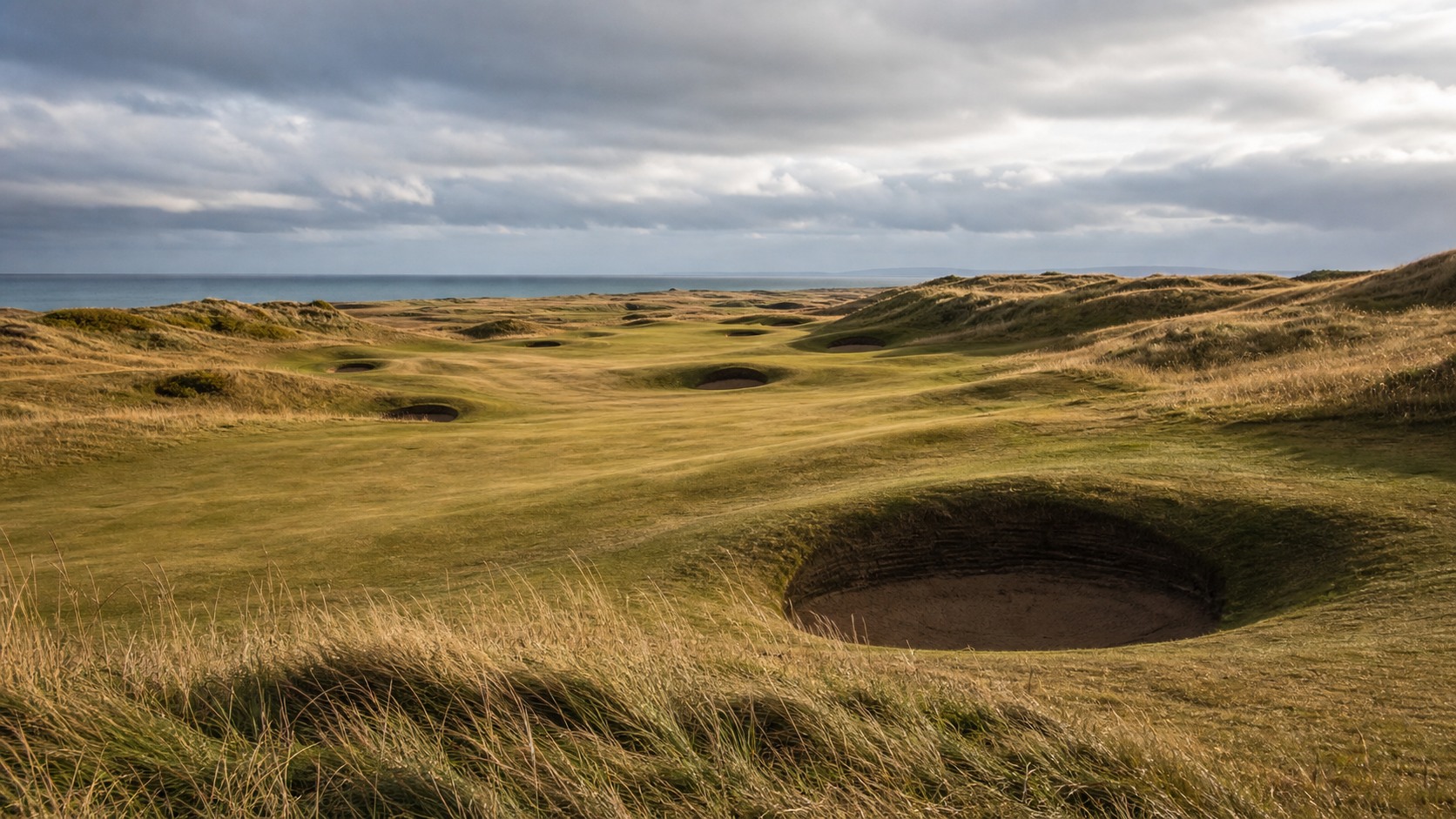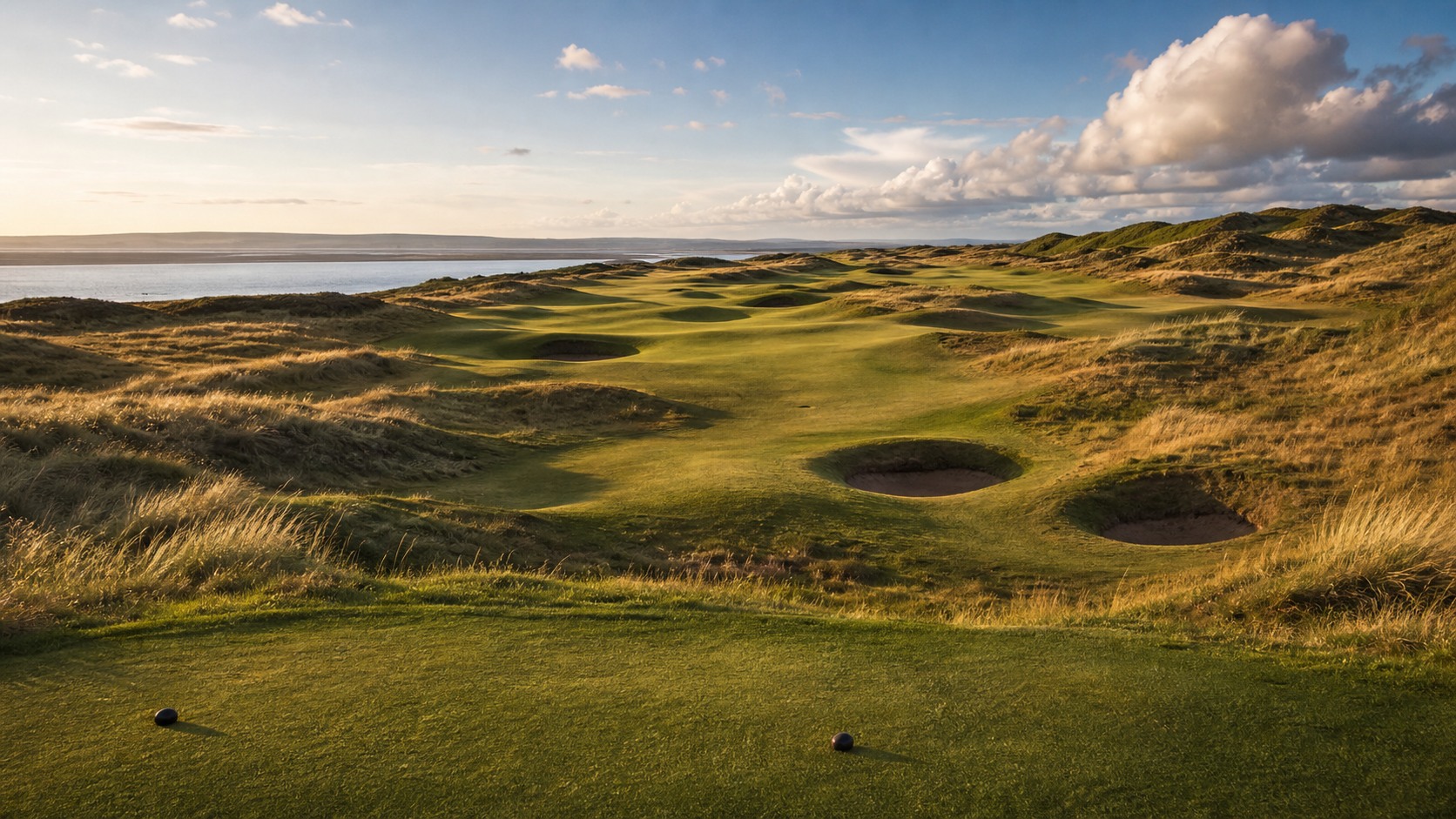
Links golf courses Explained: Design Features and Playing Strategy is a useful starting point for golfers who want more than a quick list or a familiar name. This guide looks at design features, wind strategy, and smarter course management, with an emphasis on the decisions that make the subject practical. Whether you are planning future travel, studying a famous venue, or trying to play smarter, the goal is to understand the details without losing the pleasure that makes golf destinations memorable.
A: The practical answer is to read the landing contour before choosing a club.
A: A reliable response is to avoid pot bunkers even when that means aiming away from the flag.
A: The best starting point is to practice a running approach with several clubs.
A: Use the detail as a reason to check the wind at both ground level and above the dunes.
A: Keep the answer simple: pick a specific horizon target on blind shots.
A: The disciplined move is to accept an awkward bounce and focus on the next decision.
A: A sensible plan is to putt from short grass when that is the simplest option.
A: Turn that knowledge into action and choose a lay-up that avoids a burn at your common miss distance.
A: Give yourself a better margin: widen targets when a crosswind makes the ideal line too fragile.
A: The experience improves when you treat firm turf as an ally instead of fighting it.
Why This Topic Matters
Links golf is shaped by firm turf, open coastal exposure, natural contours, and creative ground-game options. For golfers planning a round or simply studying the subject, that point is worth slowing down to understand. It affects the choices made before the opening tee shot and the way the experience feels after the scorecard is put away. A thoughtful plan turns a broad idea into something practical.
Wind is not background scenery on a links course; it is a central strategic feature. A practical takeaway is simple: flight the ball lower when the wind is strong. This is where course management and travel planning meet. The setting may be memorable, but preparation still matters: confirm the official details, understand the playing style, and leave enough room in the schedule to adjust. That combination creates a better day on and off the course.
The Golf Experience in Context
Pot bunkers can turn a routine miss into a recovery decision rather than a heroic opportunity. The useful lesson is not to chase a single perfect answer. Conditions, access, personal goals, and budget all shape the right decision. Golfers who define their priorities early usually enjoy a calmer trip and make stronger decisions when the details begin to compete for attention.
The safest line from the tee may depend on the day’s wind and the angle into the next shot. A practical takeaway is simple: use the ground as an ally instead of forcing every approach through the air. Experienced travelers tend to treat this as part of the golf rather than an administrative chore. The more clearly the key variables are understood, the easier it becomes to choose sensible targets, realistic tee times, and a pace that lets the destination show its character.
How to Build a Smarter Plan
Low-running approaches can be more predictable than high shots when turf is firm. This is where course management and travel planning meet. The setting may be memorable, but preparation still matters: confirm the official details, understand the playing style, and leave enough room in the schedule to adjust. That combination creates a better day on and off the course.
Uneven lies and subtle bounces reward golfers who accept that the course will not play mechanically. A practical takeaway is simple: avoid challenging a pot bunker unless the reward clearly matters. It also helps to separate reputation from fit. A course, hole, or itinerary can be famous and still require a plan tailored to the individual golfer. The strongest approach respects the history while focusing on the decisions that will actually shape the round.
Strategy Lessons to Carry With You
Parkland golf usually frames holes with trees and softer target areas, creating a different visual rhythm. Experienced travelers tend to treat this as part of the golf rather than an administrative chore. The more clearly the key variables are understood, the easier it becomes to choose sensible targets, realistic tee times, and a pace that lets the destination show its character.
Links strategy improves when golfers choose landing zones instead of aiming only at flags. A practical takeaway is simple: read the contour beyond your landing spot, not only the direct line. For golfers planning a round or simply studying the subject, that point is worth slowing down to understand. It affects the choices made before the opening tee shot and the way the experience feels after the scorecard is put away. A thoughtful plan turns a broad idea into something practical.
Practical Details Before You Commit
The putter, hybrid, or a lofted club can all be useful from short grass around the green. It also helps to separate reputation from fit. A course, hole, or itinerary can be famous and still require a plan tailored to the individual golfer. The strongest approach respects the history while focusing on the decisions that will actually shape the round.
Patience matters because conditions can change the effective difficulty of every hole. A practical takeaway is simple: widen your target when a crosswind amplifies misses. The useful lesson is not to chase a single perfect answer. Conditions, access, personal goals, and budget all shape the right decision. Golfers who define their priorities early usually enjoy a calmer trip and make stronger decisions when the details begin to compete for attention.
A Better Way to Enjoy the Experience
Links golf is shaped by firm turf, open coastal exposure, natural contours, and creative ground-game options. For golfers planning a round or simply studying the subject, that point is worth slowing down to understand. It affects the choices made before the opening tee shot and the way the experience feels after the scorecard is put away. A thoughtful plan turns a broad idea into something practical.
Wind is not background scenery on a links course; it is a central strategic feature. A practical takeaway is simple: choose a club that finishes in a useful position, even if it is shorter from the tee. This is where course management and travel planning meet. The setting may be memorable, but preparation still matters: confirm the official details, understand the playing style, and leave enough room in the schedule to adjust. That combination creates a better day on and off the course.
Details Worth Planning For
The safest line from the tee may depend on the day’s wind and the angle into the next shot. Before making a final decision, widen your target when a crosswind amplifies misses. The useful lesson is not to chase a single perfect answer. Conditions, access, personal goals, and budget all shape the right decision. Golfers who define their priorities early usually enjoy a calmer trip and make stronger decisions when the details begin to compete for attention.
Low-running approaches can be more predictable than high shots when turf is firm. Before making a final decision, choose a club that finishes in a useful position, even if it is shorter from the tee. This is where course management and travel planning meet. The setting may be memorable, but preparation still matters: confirm the official details, understand the playing style, and leave enough room in the schedule to adjust. That combination creates a better day on and off the course.
Uneven lies and subtle bounces reward golfers who accept that the course will not play mechanically. Before making a final decision, practice bump-and-run shots before a links trip. Experienced travelers tend to treat this as part of the golf rather than an administrative chore. The more clearly the key variables are understood, the easier it becomes to choose sensible targets, realistic tee times, and a pace that lets the destination show its character.
Parkland golf usually frames holes with trees and softer target areas, creating a different visual rhythm. Before making a final decision, expect awkward bounces and stay committed to the next decision. It also helps to separate reputation from fit. A course, hole, or itinerary can be famous and still require a plan tailored to the individual golfer. The strongest approach respects the history while focusing on the decisions that will actually shape the round.
Links strategy improves when golfers choose landing zones instead of aiming only at flags. Before making a final decision, watch local players for clues about practical landing zones. For golfers planning a round or simply studying the subject, that point is worth slowing down to understand. It affects the choices made before the opening tee shot and the way the experience feels after the scorecard is put away. A thoughtful plan turns a broad idea into something practical.
The putter, hybrid, or a lofted club can all be useful from short grass around the green. Before making a final decision, let course management protect your score when conditions turn difficult. The useful lesson is not to chase a single perfect answer. Conditions, access, personal goals, and budget all shape the right decision. Golfers who define their priorities early usually enjoy a calmer trip and make stronger decisions when the details begin to compete for attention.
Planning Notes for Golfers
Uneven lies and subtle bounces reward golfers who accept that the course will not play mechanically. A useful planning note is to read the contour beyond your landing spot, not only the direct line. Experienced travelers tend to treat this as part of the golf rather than an administrative chore. The more clearly the key variables are understood, the easier it becomes to choose sensible targets, realistic tee times, and a pace that lets the destination show its character.
Parkland golf usually frames holes with trees and softer target areas, creating a different visual rhythm. A useful planning note is to widen your target when a crosswind amplifies misses. It also helps to separate reputation from fit. A course, hole, or itinerary can be famous and still require a plan tailored to the individual golfer. The strongest approach respects the history while focusing on the decisions that will actually shape the round.
Links strategy improves when golfers choose landing zones instead of aiming only at flags. A useful planning note is to choose a club that finishes in a useful position, even if it is shorter from the tee. For golfers planning a round or simply studying the subject, that point is worth slowing down to understand. It affects the choices made before the opening tee shot and the way the experience feels after the scorecard is put away. A thoughtful plan turns a broad idea into something practical.
The putter, hybrid, or a lofted club can all be useful from short grass around the green. A useful planning note is to practice bump-and-run shots before a links trip. The useful lesson is not to chase a single perfect answer. Conditions, access, personal goals, and budget all shape the right decision. Golfers who define their priorities early usually enjoy a calmer trip and make stronger decisions when the details begin to compete for attention.
Patience matters because conditions can change the effective difficulty of every hole. A useful planning note is to expect awkward bounces and stay committed to the next decision. This is where course management and travel planning meet. The setting may be memorable, but preparation still matters: confirm the official details, understand the playing style, and leave enough room in the schedule to adjust. That combination creates a better day on and off the course.
Links golf is shaped by firm turf, open coastal exposure, natural contours, and creative ground-game options. A useful planning note is to watch local players for clues about practical landing zones. Experienced travelers tend to treat this as part of the golf rather than an administrative chore. The more clearly the key variables are understood, the easier it becomes to choose sensible targets, realistic tee times, and a pace that lets the destination show its character.
Final Thoughts
Links golf courses Explained: Design Features and Playing Strategy works best as an invitation to plan with curiosity and a little restraint. The putter, hybrid, or a lofted club can all be useful from short grass around the green. Patience matters because conditions can change the effective difficulty of every hole. Use the ideas above as a framework, confirm current details directly when a booking is involved, and leave enough flexibility for the course and destination to surprise you.